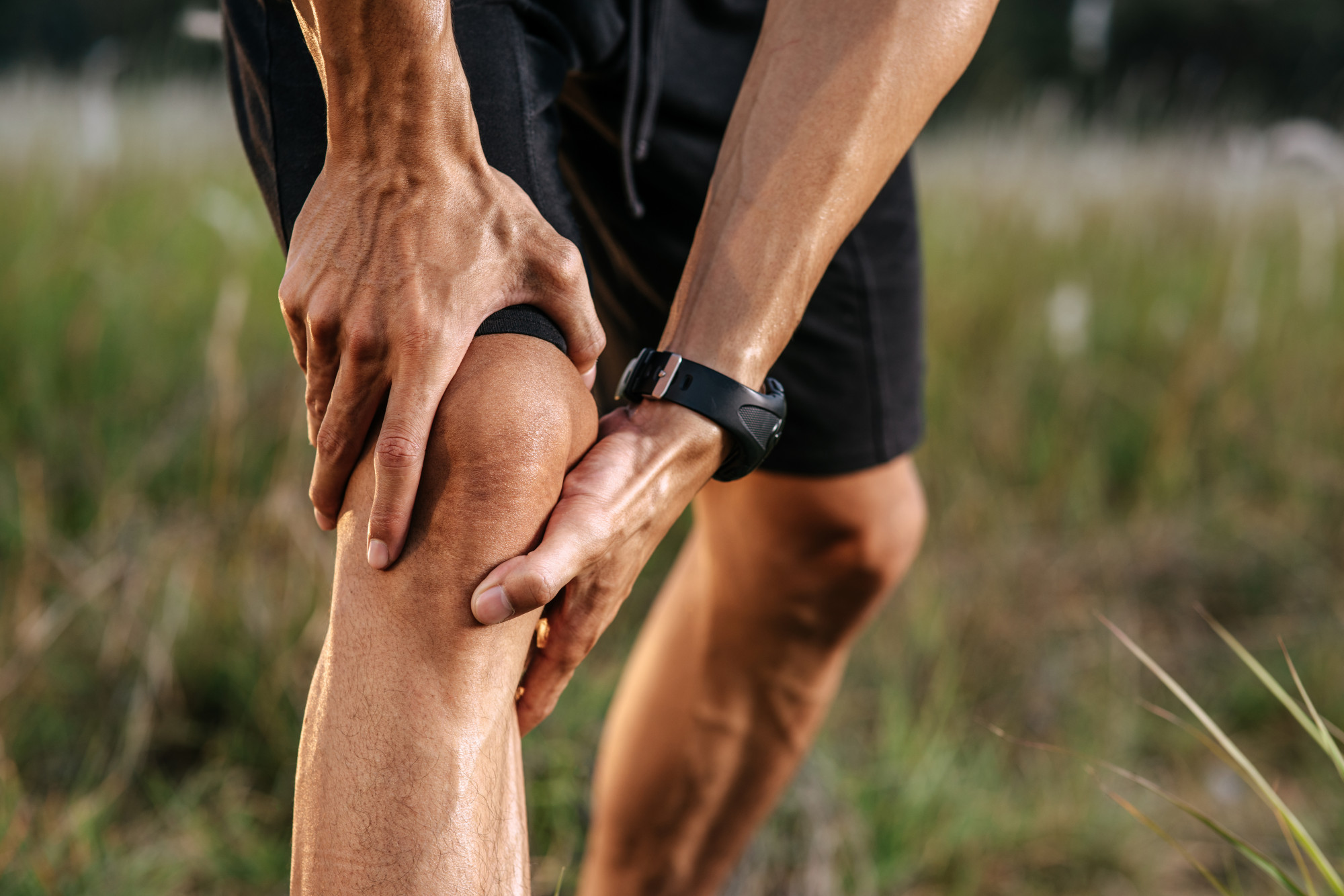
Knee pain is one of the most common musculoskeletal concerns affecting people across all age groups in Canada. Whether it develops gradually over time or appears suddenly after an injury, knee discomfort can significantly impact your ability to move freely, stay active, and carry out everyday tasks. From walking and climbing stairs to participating in sports or exercise, the knee joint plays a critical role in nearly every movement.
At Care2Cure Physiotherapy, we regularly support individuals across Ottawa who are dealing with knee pain caused by a wide range of conditions. While the symptoms may feel similar such as stiffness, swelling, or instability, the underlying causes can vary greatly. Understanding what is triggering your knee pain is the first step toward effective, long-term relief.
Understanding the Most Common Causes of Knee Pain
Knee pain rarely has a single universal cause. Instead, it often results from a combination of factors such as joint wear, muscle imbalance, injury, or inflammation. One of the most frequent causes is arthritis, particularly osteoarthritis, which occurs when the protective cartilage in the knee gradually wears down. This leads to increased friction in the joint, resulting in pain, stiffness, and reduced mobility. Inflammatory conditions like rheumatoid arthritis can also contribute to chronic discomfort and swelling.
Another common contributor is tendinitis, which develops when the tendons around the knee become irritated due to repetitive movements. This is often seen in individuals who engage in activities like running, cycling, or sports that involve jumping. Over time, repetitive strain can lead to micro-injuries in the tendon, causing persistent pain during movement.
In more acute cases, knee pain may be linked to injuries such as ligament tears, meniscus damage, or fractures. These injuries are often associated with sudden movements, sports-related impact, or accidents. Without proper rehabilitation, they can lead to long-term instability and recurring pain.
The Role of Lifestyle and Physical Stress on Knee Health
Beyond injuries and medical conditions, everyday habits and lifestyle choices also play a significant role in knee health. Overuse is a major factor, especially for individuals who perform repetitive tasks or maintain high levels of physical activity without adequate recovery. Continuous strain on the knee joint can gradually weaken surrounding tissues, leading to chronic discomfort.
Body weight is another important consideration. Excess weight increases the load placed on the knee joints with every step, accelerating cartilage wear and contributing to pain over time. Even a modest reduction in weight can significantly reduce pressure on the knees and improve overall joint function.
Additionally, conditions such as bursitis where the cushioning sacs in the knee become inflamed can develop due to prolonged kneeling or repeated pressure. Similarly, metabolic conditions like gout can cause sudden, intense pain due to crystal buildup in the joint, often accompanied by swelling and redness.
Structural and Muscular Factors That Contribute to Pain
Knee pain is not always caused by the joint itself. In many cases, the surrounding muscles and alignment of the body play a crucial role. Weaknesses or imbalance in muscles such as the quadriceps, hamstrings, or hip stabilizers can place uneven stress on the knee joint. Over time, this can lead to improper tracking of the kneecap, often referred to as patellofemoral pain syndrome.
Structural issues, including kneecap misalignment or instability, can also interfere with smooth joint movement. Theye problems may develop gradually or result from injury, and they often require targeted rehabilitation to correct movement patterns and restore proper alignment.
Age-related wear and tear further contribute to these challenges. As the body naturally ages, joint tissues lose elasticity and strength, making the knees more vulnerable to stiffness and discomfort. However, maintaining an active lifestyle with appropriate support can help slow down this process.
How Physiotherapy Supports Knee Pain Recovery
Physiotherapy plays a central role in both the treatment and prevention of knee pain. At Care2Cure Physiotherapy, our approach focuses on identifying the root cause of discomfort rather than simply managing symptoms. Each treatment plan is tailored to the individual, considering their lifestyle, activity level, and specific condition.
Through guided exercise programs, we help strengthen the muscles that support the knee, improve flexibility, and restore proper movement patterns. For individuals recovering from sports injuries, our sports physiotherapy programs are designed to safely rebuild strength and prevent re-injury.
In cases where additional support is needed, custom knee braces can be highly effective. These braces are designed to improve joint alignment, reduce strain, and provide stability during movement, particularly for individuals with ligament injuries, arthritis, or patellar issues.
Preventing Knee Pain Through Daily Habits
Maintaining healthy knees requires consistent care and attention to daily habits. Incorporating low-impact activities such as walking, swimming, or cycling can help strengthen the joint without placing excessive strain on it. These exercises improve circulation, enhance muscle support, and promote long-term joint health.
Equally important is the practice of proper warm-ups and stretching. Preparing your muscles before physical activity reduces the risk of strain and improves overall flexibility. Wearing supportive footwear and maintaining proper posture during movement can also prevent unnecessary stress on the knees.
Managing body weight and allowing time for recovery between activities are additional factors that contribute to long-term knee health. Small, consistent changes in these areas can significantly reduce the risk of chronic pain.
When to Seek Professional Help
While mild knee discomfort may improve with rest, persistence or worsening symptoms should not be ignored. Signs such as ongoing swelling, difficulty bearing weight, sharp pain, or a feeling of instability may indicate a more serious underlying issue.
Seeking early assessment from a physiotherapy professional can help identify the cause of the problem and prevent further complications. Early intervention often leads to faster recovery and better long-term outcomes.
FAQs About Knee Pain
What is the most common cause of knee pain?
Osteoarthritis and overuse injuries are among the most common causes, especially in adults and active individuals.
Can physiotherapy completely cure knee pain?
Physiotherapy can significantly reduce or eliminate pain in many cases by addressing the root cause and improving joint function.
Are custom knee braces necessary for recovery?
Not always, but they are highly beneficial for individuals needing additional support, stability, or alignment correction.
How long does knee pain recovery take?
Recovery time varies depending on the cause, but consistent physiotherapy can speed up healing and prevent recurrence.
Is it safe to exercise with knee pain?
Yes, but only with the right guidance. Low-impact and supervised exercises are recommended to avoid further strain.
Start Your Recovery Journey with Care2Cure Physiotherapy
Knee pain can limit your lifestyle, but with the right care, it is manageable and often reversible. Understanding the cause of your pain and taking proactive steps toward treatment can make a significant difference in your mobility and quality of life.
At Care2Cure Physiotherapy, we are committed to helping you move better, feel stronger, and return to your daily activities with confidence. With expert care, personalized treatment plans, and advanced support options, your path to recovery starts here.