Recovering from an injury does not always mean staying in bed or avoiding movement completely. In many situations, carefully guided activity can help maintain mobility, build strength and support a more confident return to work, sport and everyday life.
At Care2Cure Physiotherapy in Barrhaven, Ottawa, treatment is based on understanding the whole person—not just the location of the pain. The team considers your symptoms, movement patterns, lifestyle, work demands and personal goals when creating a care plan.care2curephysiotherapy
What Is Active Recovery?
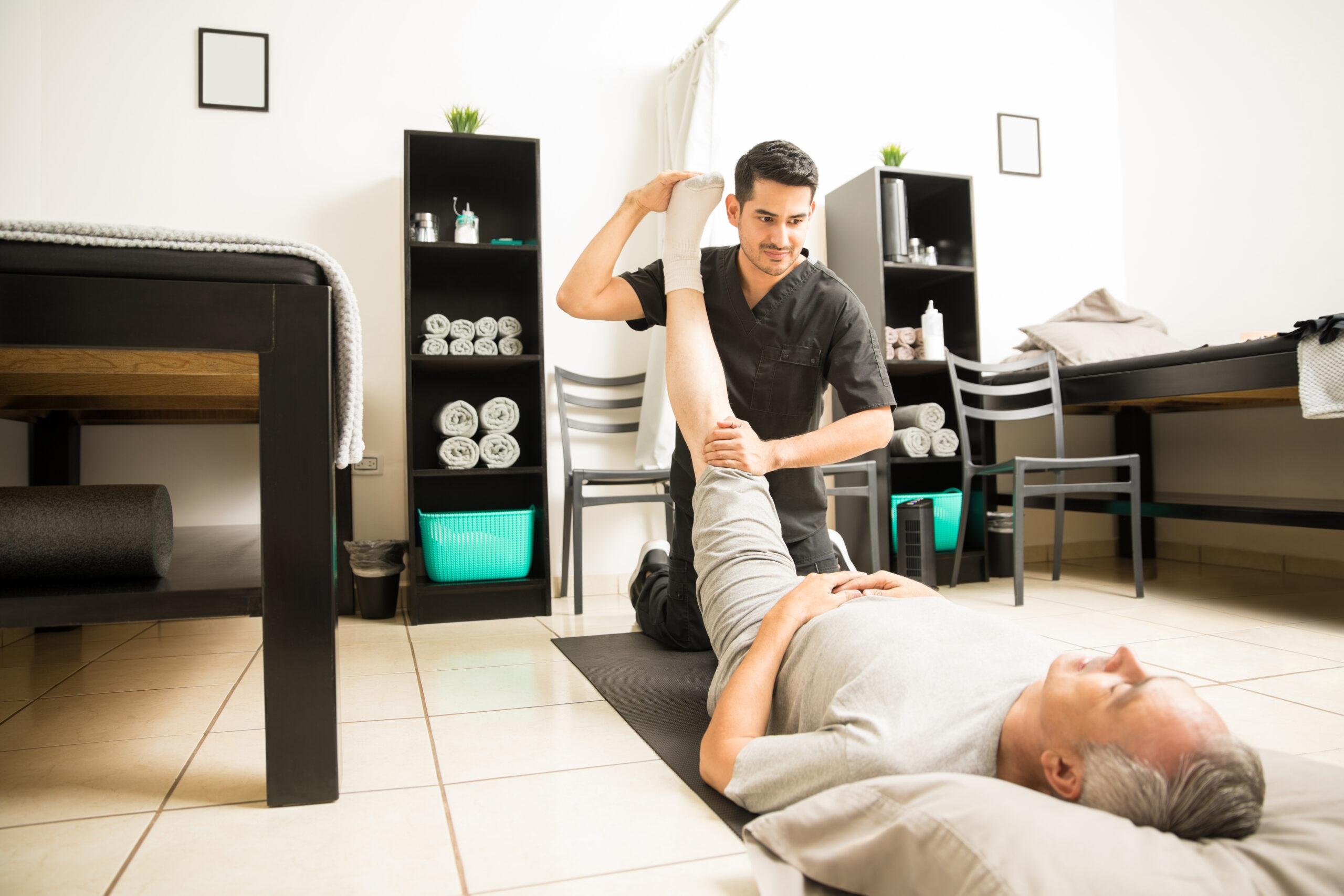
Active recovery involves using gentle, controlled movement to support the healing process. Depending on your condition, it may include walking, mobility exercises, stretching, light strengthening, cycling, balance work or physiotherapist-guided rehabilitation.
The purpose is not to push through pain or return to full activity too quickly. Instead, active recovery helps you stay involved in your rehabilitation while giving your body the time and support it needs to recover.
A physiotherapist can help you understand:
Which movements are safe at your current stage of recovery.
How much activity is appropriate for your symptoms.
When to increase or reduce your exercise level.
How to avoid movements that may irritate the affected area.
How to progress from basic rehabilitation to normal daily activities.
Why Complete Rest May Not Be the Answer
Rest can be important immediately after an injury, particularly when there is significant pain, swelling or tissue damage. However, avoiding movement for too long may contribute to stiffness, reduced muscle strength, lower confidence and difficulty returning to your usual routine.
When appropriate movement is introduced at the right time, it can help maintain joint motion and prevent unnecessary deconditioning. Gradual loading can also help the muscles, tendons and joints adapt to everyday demands.
This does not mean that every injury should be exercised immediately. The right approach depends on the type of injury, your medical history, pain levels and stage of healing. Professional assessment is important when you are unsure whether movement will help or aggravate your symptoms.
How Physiotherapy Supports Active Recovery
Physiotherapy gives you a structured and personalised way to stay active during recovery. Your treatment may begin with an assessment of your posture, strength, flexibility, balance, joint movement and functional limitations.
From there, your physiotherapist may recommend a combination of:
Targeted therapeutic exercises.
Mobility and range-of-motion work.
Strengthening for weak or underused muscles.
Balance and coordination training.
Manual therapy where appropriate.
Education about posture, movement and load management.
Advice for modifying work, sport or household activities.
At Care2Cure, the focus is on identifying factors that may be contributing to your pain or reduced movement. These may include posture, work habits, stress, general health, physical demands and movement patterns. This broader approach can help make your rehabilitation more practical and relevant to daily life.care2curephysiotherapy
What Does Active Recovery Include?
Active recovery is different for everyone. An exercise that is suitable for someone recovering from a mild ankle sprain may not be appropriate for someone managing back pain, post-surgical rehabilitation or a long-term condition.
Your programme may include:
Gentle cardiovascular activity
Walking, stationary cycling or water-based exercise may help you maintain general fitness without placing excessive stress on the affected area.
Mobility exercises
Controlled joint movements can help reduce stiffness and support a gradual return to normal movement.
Light strengthening
Strength exercises can help maintain muscle function and improve support around vulnerable joints.
Balance and coordination training
Balance exercises may be useful after an ankle, knee or hip injury, or when reduced stability affects your confidence.
Functional movement practice
Your physiotherapist may teach you how to squat, climb stairs, lift, reach or move at work with better control and less strain.
The goal is to select exercises that are challenging enough to support progress while remaining suitable for your symptoms.
Understanding the Active Revive Physiotherapy Approach
Active revive physiotherapy can be understood as a gradual process of restoring movement, strength and confidence through safe, progressive rehabilitation. Rather than focusing only on short-term symptom relief, this approach helps you understand how your body moves and what you can do to support recovery.
An active revive physiotherapy plan may include:
Assessment: Identifying the source of your limitations and the activities that matter most to you.
Early movement: Introducing safe exercises to maintain mobility and reduce fear around movement.
Progressive strengthening: Increasing resistance, repetitions or movement difficulty as your capacity improves.
Functional retraining: Preparing your body for work, sport, parenting, recreation or household tasks.
Long-term maintenance: Building habits that help reduce the risk of recurring problems.
This type of rehabilitation is not about rushing the healing process. It is about making steady progress with a plan that reflects your body and your goals.
Benefits of Staying Gently Active
When suitable for your condition, active recovery may help you:
Maintain joint mobility and flexibility.
Preserve strength during periods of reduced activity.
Improve balance and body awareness.
Support circulation and reduce feelings of stiffness.
Build confidence in using the affected body part.
Return gradually to work, sport and everyday activities.
Reduce the risk of becoming overly dependent on rest.
Feel more involved and informed throughout rehabilitation.
Movement should feel purposeful and manageable. Mild muscle fatigue can be normal with exercise, but increasing pain, swelling, numbness or a noticeable decline in function may indicate that your activity level needs to be adjusted.
Active Recovery for Different Conditions
Physiotherapy-guided active recovery may form part of rehabilitation for a range of concerns, including:
Back and neck pain.
Shoulder injuries and stiffness.
Knee and hip pain.
Ankle sprains and sports injuries.
Tendon and muscle problems.
Post-surgical rehabilitation.
Balance and mobility concerns.
Chronic pain and recurring injuries.
Work-related strain.
Rehabilitation for older adults and seniors.
The exercises and treatment methods will vary according to your diagnosis, symptoms and goals. A programme for a competitive athlete may focus on performance and return-to-sport testing, while a programme for a senior may focus on safe walking, balance and independence.
When Should You See a Physiotherapist?
Consider booking a physiotherapy assessment if:
Pain is affecting your work, sleep or daily activities.
You are unsure how much exercise is safe.
Your symptoms keep returning.
You have lost strength, flexibility or balance.
You are recovering from surgery or a significant injury.
You are avoiding movement because of fear or discomfort.
You have tried rest but are not making progress.
Seek urgent medical attention for serious symptoms such as sudden loss of strength, severe swelling after an injury, chest pain, difficulty breathing, loss of bladder or bowel control, or numbness affecting a large area of the body.
How Care2Cure Physiotherapy Can Help
Care2Cure provides physiotherapy care for adults, seniors and pediatric patients in Barrhaven, Ottawa. The clinic’s approach is centred on compassionate care, detailed assessment and treatment plans that are tailored to each person’s needs.
Your physiotherapist can help you understand what may be contributing to your symptoms, how to move safely and how to progress your rehabilitation over time. Whether you are recovering from an injury, managing persistent pain or working towards improved physical function, active recovery can help you move forward with greater confidence.
Frequently Asked Questions
1. Is active recovery suitable for every injury?
No. Active recovery must be adapted to your specific injury and stage of healing. Some conditions require initial protection or rest before movement is introduced, so it is important to follow guidance from a qualified healthcare professional.
2. Should I exercise if I am experiencing pain?
Some mild discomfort may occur during rehabilitation, but exercise should not cause a significant increase in pain or swelling. If symptoms worsen during or after activity, stop and speak with your physiotherapist so your programme can be reviewed.
3. How often should I do active recovery exercises?
The frequency depends on your condition, exercise type and overall health. Your physiotherapist may recommend daily mobility exercises, strengthening sessions several times per week or activity breaks throughout the day.
4. Can active recovery help with long-term pain?
It may help some people improve strength, mobility, confidence and tolerance for daily activities. Long-term pain can have several contributing factors, so physiotherapy should be combined with an individual assessment and a broader management plan.
5. How long does active recovery take?
Recovery time varies according to the injury, your general health, activity level and consistency with the recommended plan. Your physiotherapist can help you set realistic milestones and adjust your exercises as your movement and strength improve.
Take the Next Step Towards Safer Movement
You do not have to choose between complete rest and pushing through pain. With the right guidance, active recovery can help you maintain movement, rebuild strength and work towards the activities that matter to you.
Contact Care2Cure Physiotherapy in Barrhaven, Ottawa, to schedule an assessment and discuss a rehabilitation plan designed around your needs and goals.