Physiotherapy is often associated with hands on treatments such as massage, joint mobilization, or therapeutic machines. While these methods can provide relief, they represent only one part of the rehabilitation process. A complete physiotherapy program usually includes both passive and active approaches that work together to support recovery.
Many patients are surprised when their treatment gradually shifts from hands on care to guided exercises. This transition is intentional because recovery requires more than temporary pain relief. It involves rebuilding strength, improving movement patterns, and restoring confidence in daily activities.
At Care2Cure, physiotherapy programs are designed to support both short term relief and long term recovery. By combining different treatment techniques, therapists help patients reduce pain while also improving the way their body moves and functions.
Understanding the difference between passive and active physiotherapy helps patients know what to expect during treatment and why their participation becomes increasingly important as recovery progresses.
The Role of Physiotherapy in Restoring Movement
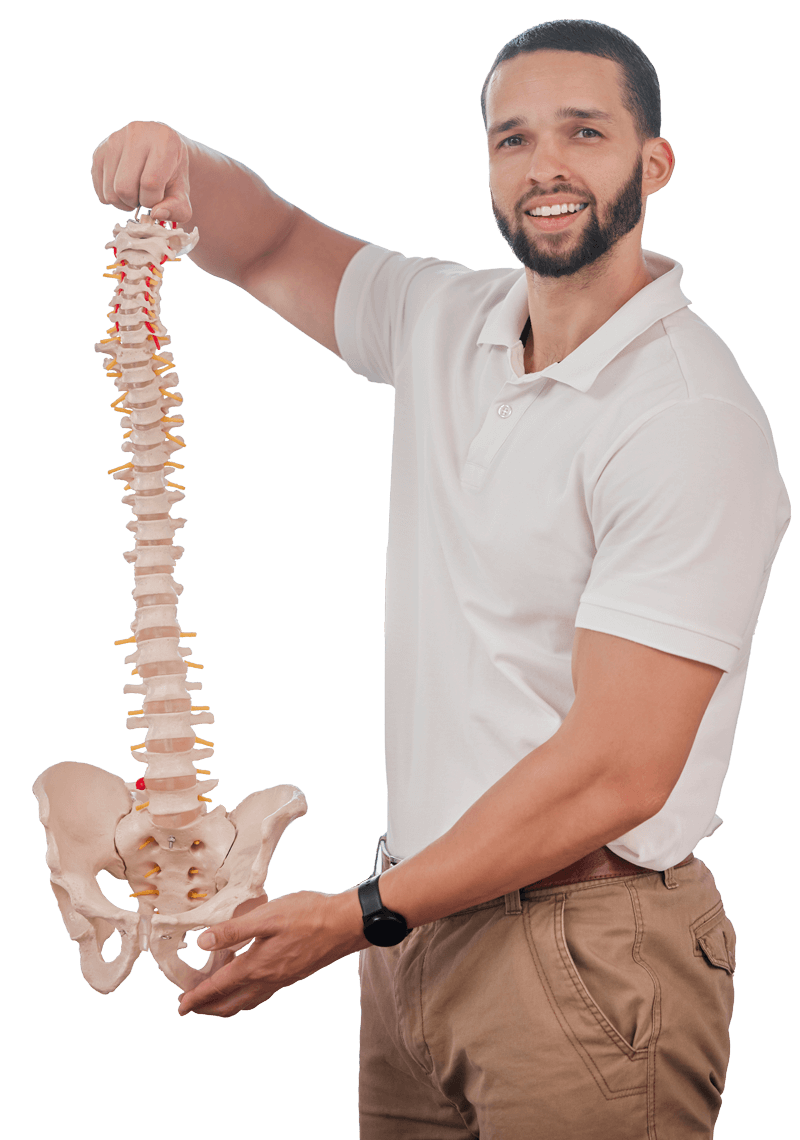
Physiotherapy focuses on helping individuals regain movement, improve strength, and reduce discomfort caused by injury, strain, or chronic conditions. Rather than simply addressing symptoms, physiotherapy examines the root cause of physical problems.
Many conditions such as back pain, joint stiffness, sports injuries, and postural imbalances develop because the body is not moving efficiently. Weak muscles, restricted joints, or improper movement patterns can create stress on certain areas of the body.
Physiotherapists assess these factors carefully before designing a treatment plan. This plan often combines hands on therapy, targeted exercises, and education about movement and posture.
The goal is not only to relieve current pain but also to prevent future problems by improving overall body mechanics and strength.
What Passive Physiotherapy Means
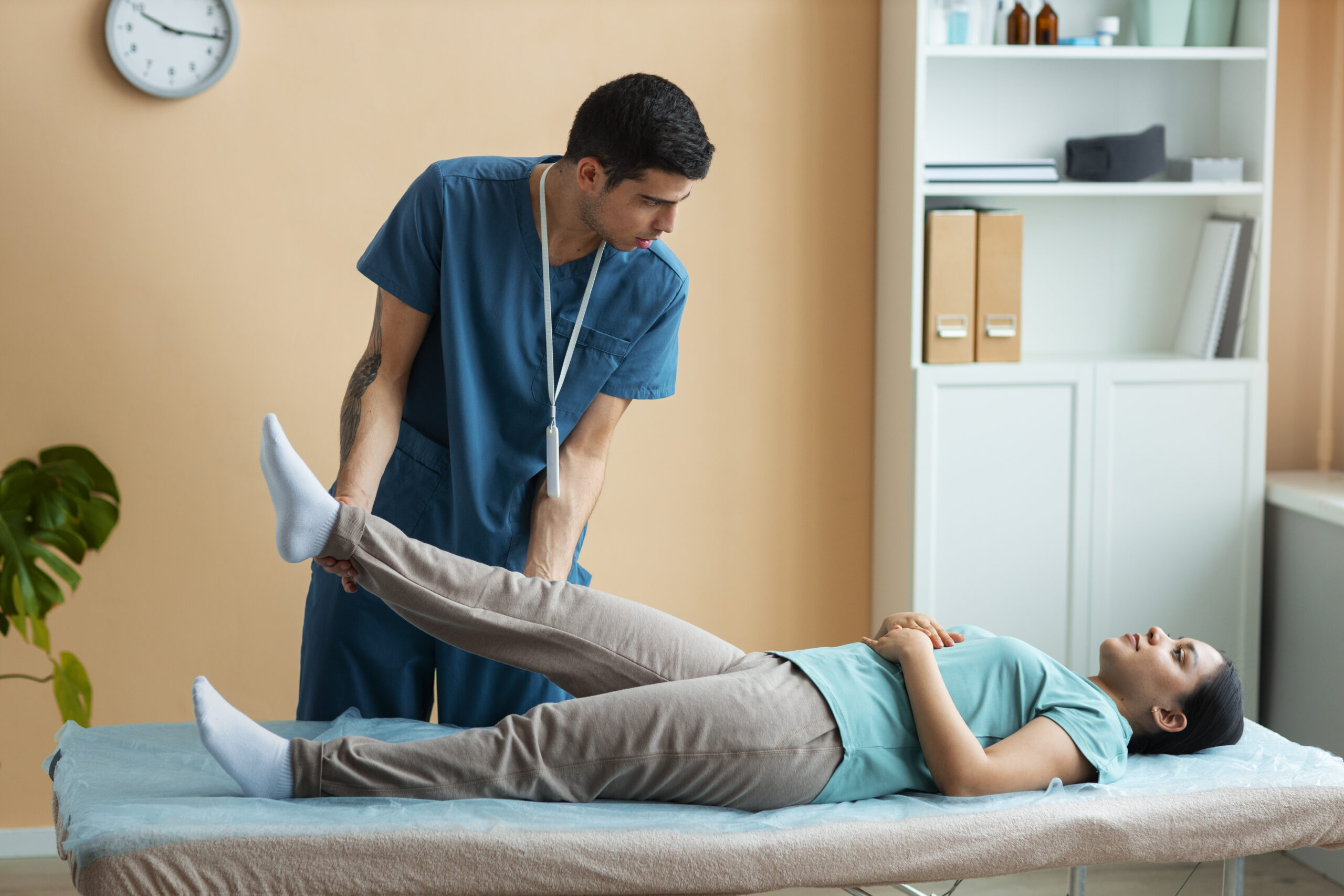
Passive physiotherapy includes treatments that are performed by the therapist while the patient remains relaxed. During these techniques, the patient does not actively participate in the movement or exercise.
Examples of passive physiotherapy treatments include soft tissue massage, manual therapy, joint mobilization, heat therapy, ultrasound therapy, electrical stimulation, and therapeutic taping. These treatments are often used when pain or inflammation makes movement difficult.
Passive techniques are especially useful during the early stage of injury. They help calm irritated tissues, reduce muscle tension, and improve circulation around the affected area.
For many patients, passive treatments provide comfort and help prepare the body for more active rehabilitation techniques that are introduced later in the recovery process.
Benefits and Limitations of Passive Care
Passive physiotherapy can provide valuable relief, particularly when someone is experiencing significant pain or stiffness. These treatments help relax tight muscles and improve joint mobility.
When discomfort is reduced, patients can begin moving more freely. This is important because movement is essential for recovery and overall physical health.
However, passive care alone does not rebuild muscle strength or improve long term mobility. While symptoms may feel better temporarily, the root cause of the issue may still remain.
This is why physiotherapists often combine passive techniques with active rehabilitation exercises as part of a balanced treatment plan.
What Active Physiotherapy Involves
Active physiotherapy focuses on movement and patient participation. Instead of relying only on treatments performed by the therapist, patients actively take part in their recovery through guided exercises.
These exercises may include stretching, strengthening routines, mobility training, balance work, and posture correction. Each activity is designed to improve the way muscles and joints function together.
Active physiotherapy helps the body adapt to everyday movements such as walking, lifting, bending, and reaching. As muscles become stronger and more coordinated, the body becomes more resilient to physical stress.
Patients are often given exercises to practice at home as well, allowing them to continue improving between physiotherapy sessions.
Why Active Rehabilitation Is Important
Active physiotherapy plays an important role in long term recovery because it addresses the underlying causes of pain and dysfunction.
Weak muscles, poor posture, and limited mobility can place additional stress on joints and surrounding tissues. Over time, this can lead to repeated discomfort or injuries.
Strengthening exercises and movement training help correct these imbalances. As the body becomes stronger and more stable, it is better prepared to handle everyday physical demands.
Active rehabilitation also helps patients regain confidence in their movement, allowing them to return to work, sports, or daily activities with greater ease.
How Passive and Active Physiotherapy Work Together
Successful physiotherapy programs often combine both passive and active treatments. Each method plays a different role in the recovery process.
In the early stage of an injury, passive techniques help reduce pain and inflammation. This allows the body to begin healing while keeping the patient comfortable.
As recovery progresses, physiotherapists gradually introduce active exercises that strengthen muscles and restore normal movement patterns.
This progression helps patients move beyond temporary relief and work toward long term physical improvement.
Conditions That Benefit from Combined Physiotherapy
Many common conditions respond well to a combination of passive and active physiotherapy treatments.
These include lower back pain, neck pain, shoulder injuries, arthritis, sports injuries, and rehabilitation after surgery. Passive treatments may help relieve pain initially, while active exercises help restore strength and mobility.
For chronic conditions, active physiotherapy is particularly important because it helps maintain progress and prevent symptoms from returning.
By improving movement patterns and strengthening the body, physiotherapy supports long lasting recovery.
Recovery Support at Care2Cure
At Care2Cure, physiotherapy programs are designed to guide patients through every stage of recovery. Treatment begins with a detailed assessment to understand the cause of pain or movement limitations.
Based on this evaluation, therapists create personalized care plans that may include manual therapy, rehabilitation exercises, and education about movement and posture.
The goal is to help patients improve mobility, reduce discomfort, and regain confidence in their physical abilities.
By combining passive and active physiotherapy techniques, Care2Cure supports both immediate symptom relief and long term physical health.
Frequently Asked Questions
What is the difference between active and passive physiotherapy
Passive physiotherapy involves treatments performed by the therapist such as massage or manual therapy, while active physiotherapy requires patients to perform exercises that strengthen muscles and improve mobility.
Is passive physiotherapy enough for recovery
Passive treatments can help reduce pain and stiffness, but they usually need to be combined with active rehabilitation exercises to achieve long term recovery and improved function.
When does active physiotherapy start during treatment
Active physiotherapy usually begins once pain levels are manageable and the body is ready to perform gentle movements and strengthening exercises safely.
Why are exercises important in physiotherapy
Exercises help strengthen muscles, improve joint stability, and correct movement patterns that may contribute to pain or injury.
How long does physiotherapy recovery take
Recovery time varies depending on the condition, the severity of the injury, and how consistently patients follow their treatment plan and home exercises.
Can physiotherapy prevent future injuries
Physiotherapy can help reduce the risk of recurring injuries by strengthening the body, improving posture, and teaching safer movement techniques for everyday activities.