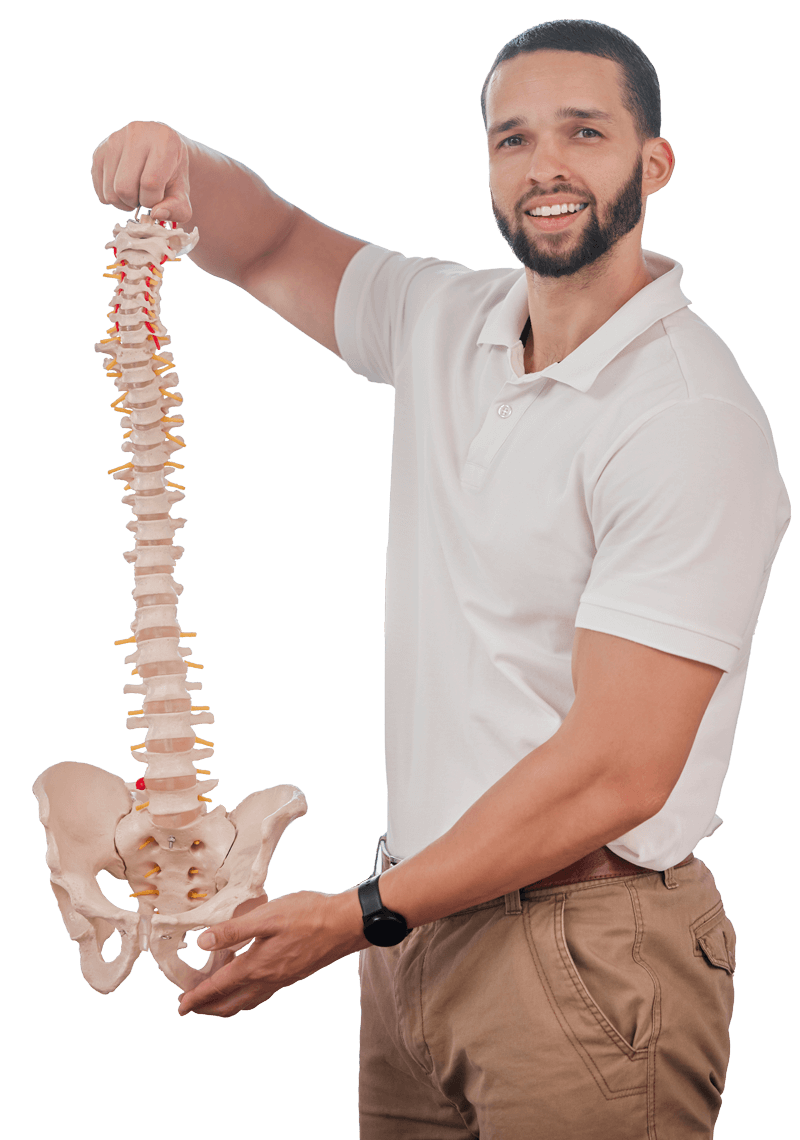

Cervical radiculopathy occurs when a nerve root in the neck becomes compressed or irritated. This can cause pain, numbness, tingling or weakness that radiates from the neck into the shoulder, arm or hand.
At Care2Cure Physiotherapy in Barrhaven, Ottawa, the team uses a thorough, holistic approach to assess and treat neck-related nerve pain. Treatment focuses on identifying contributing factors such as posture, work demands, stress and movement patterns, not just the location of pain.
What Is Cervical Radiculopathy?
The cervical spine consists of seven vertebrae in the neck region. Nerve roots exit the spinal cord through small openings between these vertebrae and travel to the shoulders, arms and upper back.
When a nerve root is compressed or inflamed, it can send abnormal signals along its pathway. This is often described as a “pinched nerve” in the neck. The resulting symptoms may be felt in the neck, but they frequently radiate into one arm or hand on the same side as the affected nerve.
Common Symptoms of Cervical Radiculopathy
Symptoms depend on which nerve root is involved and how severely it is irritated. Typical features include:
- Pain in the neck that may spread into the shoulder, arm or hand.
- Sharp, burning or electric-like pain on one side of the body.
- Numbness or reduced sensation in parts of the arm or fingers.
- Tingling or “pins and needles” in the arm or hand.
- Weakness in the shoulder, arm or grip.
- Reduced reflexes in the affected arm.
- Symptoms that worsen with certain neck movements or positions.
Not everyone experiences all of these symptoms. Some people have mainly pain, while others notice more numbness or weakness.
Causes of Cervical Radiculopathy
Cervical radiculopathy usually results from changes in the structures around the nerve root. Common causes include:
- Degenerative changes (cervical spondylosis): Age-related wear and tear can lead to disc thinning, bone spurs and narrowing of the spaces where nerves exit the spine.
- Herniated or bulging discs: A damaged disc in the neck can press on a nearby nerve root.
- Injury or trauma: Accidents, falls or sports injuries can damage discs, joints or ligaments in the cervical spine.
- Less common causes: Spinal tumours, infections or inflammatory conditions may also irritate nerve roots.
In many cases, a combination of factors such as posture, repetitive strain, previous injuries and general health contributes to the problem.
How Cervical Radiculopathy Is Diagnosed
A healthcare professional will typically begin with a detailed discussion about your symptoms, medical history, work and activities. They may ask about:
- When the pain started and how it has changed.
- Which areas feel painful, numb or weak.
- Any recent injuries or accidents.
- Your daily posture, computer use and physical demands.
A physical examination may include:
- Testing sensation, strength and reflexes in the neck, shoulders, arms and hands.
- Comparing findings on both sides of the body.
- Performing specific neck and arm movements to see which positions increase or reduce symptoms.
Imaging or other tests may be recommended when needed:
- X-rays can show bone changes, alignment and signs of arthritis.
- MRI provides detailed images of discs, nerves and soft tissues.
- CT scans may be used to assess bone structures or traumatic injuries.
- EMG (electromyography) can evaluate how well the nerves and muscles are functioning.
These tests help confirm the diagnosis and rule out other conditions.
Treatment Options for Cervical Radiculopathy
Most people with cervical radiculopathy improve with conservative (non-surgical) care. Treatment is tailored to your symptoms, stage of recovery and daily demands.
Activity Modification and Posture
Your physiotherapist may advise temporary changes to:
- Workstation setup and computer use.
- Sleeping positions and pillow support.
- Lifting, carrying and overhead activities.
- Prolonged neck positions, such as looking down at a phone.
The goal is to reduce irritation to the nerve while maintaining safe movement.
Medication and Pain Management
A physician may recommend:
- Over-the-counter pain relievers.
- Anti-inflammatory medications.
- Short-term use of muscle relaxants or nerve-pain medications in some cases.
- Cervical epidural steroid injections for selected patients with severe symptoms.
Medication can help manage pain and inflammation while you work on rehabilitation.
Physiotherapy and Exercise
Physiotherapy is a key part of treatment for cervical radiculopathy. A physiotherapist can:
- Assess your neck, shoulders, upper back and arm.
- Identify movement patterns that may be contributing to symptoms.
- Provide hands-on treatment to reduce muscle tension and improve joint mobility.
- Teach exercises to strengthen deep neck flexors, scapular stabilisers and upper-back muscles.
- Guide you through nerve gliding exercises to reduce nerve sensitivity.
- Use cervical traction or other modalities when appropriate.
Evidence supports multimodal programmes that combine manual therapy, targeted exercises and education for pain relief and functional improvement.
Cervical Radiculopathy Exercises
Exercises should be individualised and progressed gradually. Common components may include:
- Chin tucks (cervical retraction): Gently draw your chin backward as if making a “double chin,” holding for a few seconds and repeating. This can help improve neck alignment.
- Deep neck flexor strengthening: Small, controlled nods and holds to activate the muscles that support the cervical spine.
- Scapular retraction and strengthening: Squeezing shoulder blades together and performing light “Y-T-W” exercises to support the upper back and reduce strain on the neck.
- Nerve glides (neural flossing): Gentle, controlled movements of the arm, wrist and neck to reduce nerve tension without aggravating symptoms.
- Thoracic mobility work: Movements to improve upper-back flexibility, which can unload the cervical spine.
- Isometric neck exercises: Light resistance in different directions to build endurance without excessive movement.
Exercises should be performed within a comfortable range and should not significantly increase pain, numbness or tingling. Your physiotherapist will advise on dosage and progression.
Vestibular Rehabilitation Therapy
Some people with neck problems also experience dizziness, balance issues or a sense of unsteadiness. In these cases, vestibular rehabilitation therapy may be incorporated.
Vestibular rehabilitation therapy involves specific exercises to:
- Improve gaze stability.
- Reduce dizziness with head movements.
- Enhance balance and confidence during daily activities.
Care2Cure Physiotherapy offers vestibular rehabilitation therapy as part of a broader programme for patients with neck-related symptoms and balance concerns.
When Is Surgery Considered?
Surgery is usually reserved for cases where:
- Symptoms are severe and do not improve after several weeks of conservative treatment.
- There is significant or progressive weakness.
- Imaging shows clear nerve compression that correlates with symptoms.
- There are signs of spinal cord involvement.
A spine specialist will discuss the risks, benefits and expected outcomes of surgical options if they are appropriate for your situation.
When to Seek Urgent Medical Attention
Contact a healthcare professional promptly if you experience:
- New or worsening weakness in the arm or hand.
- Loss of coordination or difficulty using your hand.
- Severe, unrelenting pain that does not respond to medication.
- Symptoms in both arms or legs, or problems with walking.
- Loss of bladder or bowel control.
- Fever, unexplained weight loss or a history of cancer alongside neck and arm symptoms.
These may indicate a more serious condition that requires immediate evaluation.
How Care2Cure Physiotherapy Can Help
Care2Cure Physiotherapy in Barrhaven, Ottawa, provides comprehensive assessment and treatment for cervical radiculopathy and related neck conditions. The clinic’s approach considers posture, work stress, home stress, overall body health, diet, genetics and movement patterns, not just the site of pain.
Treatment may include:
- Detailed evaluation of your neck, shoulders, arms and functional activities.
- Manual therapy to reduce muscle tension and improve joint mobility.
- Individualised exercise programmes for neck, scapular and upper-back strength.
- Nerve gliding and mobility work tailored to your symptoms.
- Vestibular rehabilitation therapy when dizziness or balance issues are present.
- Education on posture, ergonomics and self-management strategies.
- Coordination with your physician or other healthcare providers when needed.
If you are searching for physiotherapy near me in Barrhaven or the Ottawa area, Care2Cure can discuss your symptoms and recommend an appropriate plan.
Cervical Radiculopathy Care Tailored to Ottawa Patients
Care2Cure Physiotherapy supports adults, seniors and pediatric patients across Barrhaven and Ottawa with personalised rehabilitation plans. Whether your symptoms are related to desk work, driving, caregiving, sport or an old injury, the team can help you understand what may be contributing to your pain and how to move forward safely.
Patients looking for physiotherapy near me often benefit from a combination of hands-on care, targeted exercises and practical advice for daily life. For those with dizziness or balance concerns alongside neck pain, vestibular rehabilitation therapy can be integrated into your programme to address both cervical and vestibular components of your symptoms.
If you have been told you have cervical radiculopathy, or you suspect a pinched nerve in your neck, an early assessment can help clarify your diagnosis and start appropriate treatment. Care2Cure works collaboratively with physicians and other healthcare providers when further investigation or medical management is required.
Frequently Asked Questions
Can cervical radiculopathy heal without surgery?
Yes. Many people improve with conservative treatment such as physiotherapy, activity modification and medication. Surgery is considered only when symptoms are severe, progressive or unresponsive to non-surgical care.
How long does recovery take?
Recovery time varies. Some people notice improvement within a few weeks, while others may take several months. Consistency with exercises and following your therapist’s guidance can support progress.
Are exercises safe for cervical radiculopathy?
When prescribed and supervised by a qualified physiotherapist, exercises are generally safe and beneficial. They should be performed within a comfortable range and should not significantly increase pain, numbness or weakness.
What is vestibular rehabilitation therapy?
Vestibular rehabilitation therapy is a specialised form of physiotherapy for dizziness, balance problems and gaze instability. It may be helpful for some people with neck-related symptoms and balance concerns.
When should I see a physiotherapist for neck and arm pain?
If you have persistent neck pain with radiating arm symptoms, numbness, tingling or weakness, a physiotherapy assessment can help identify contributing factors and create a tailored treatment plan.
Book Your Appointment at Care2Cure Physiotherapy
Cervical radiculopathy can be painful and disruptive, but many people recover well with appropriate care. If you are experiencing neck pain with arm symptoms, dizziness or balance issues, a thorough assessment can clarify the problem and guide treatment.
Contact Care2Cure Physiotherapy in Barrhaven, Ottawa, to schedule an appointment and discuss a personalised plan for your cervical radiculopathy, neck pain and related concerns.